
Water Initiatives Africa: Effective Clean Water Projects for Africa
Access to clean water is a basic human right, yet millions in Africa still struggle to find safe drinking water. I often wonder, how can we change this reality? How can we bring hope and health to communities thirsting for clean water? The answer lies in effective, sustainable water initiatives Africa-wide. These projects do more than quench thirst - they restore dignity, improve health, and open doors to opportunity.
The Power of Water Initiatives Africa
Water initiatives Africa-wide are transforming lives. They bring clean water closer to homes, schools, and clinics. Imagine a village where women no longer walk miles to fetch water. Picture children drinking safe water and attending school instead of falling ill. These initiatives are not just about infrastructure; they are about empowerment.
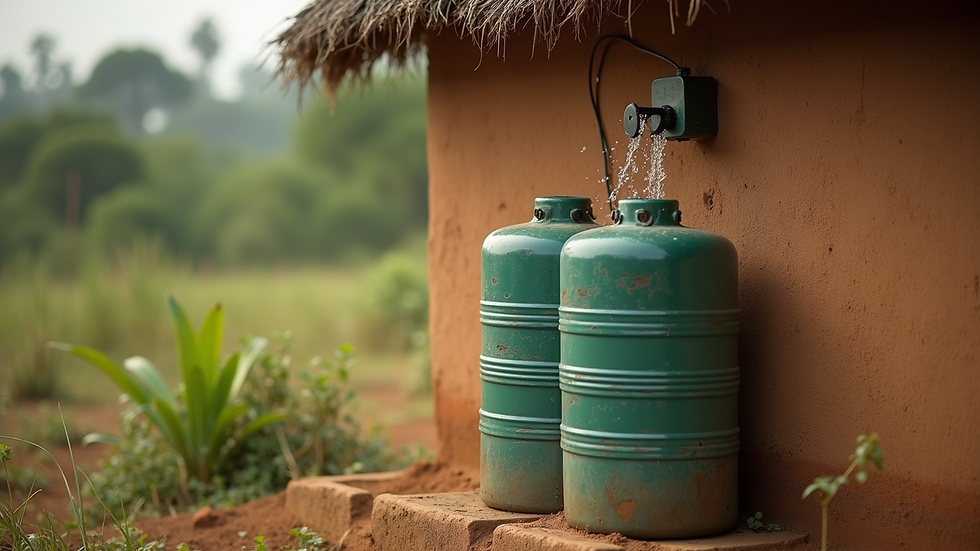
Many projects focus on drilling boreholes, installing hand pumps, and building rainwater harvesting systems. These solutions are tailored to local environments and needs. For example, solar-powered pumps use renewable energy, reducing costs and environmental impact. Community involvement is key. When locals manage and maintain water points, projects last longer and thrive.
One inspiring example is the partnership between local NGOs and international donors. Together, they fund and implement projects that reach remote areas. Training locals in water management creates jobs and builds skills. This holistic approach ensures water initiatives Africa-wide are sustainable and impactful.

Which country in Africa has the cleanest water?
You might ask, which country in Africa has the cleanest water? While water quality varies widely, some countries have made remarkable progress. Rwanda, for instance, has invested heavily in water infrastructure and sanitation. Its government prioritizes clean water access, resulting in improved water quality in many regions.
Botswana also stands out with its innovative water management strategies. The country uses advanced treatment plants and strict regulations to ensure safe drinking water. These successes show that with commitment and resources, clean water is achievable.
However, challenges remain. Many countries still face contamination from industrial waste, poor sanitation, and climate change effects. This reality underscores the need for continued investment in clean water projects for Africa. Every community deserves safe water, no matter where they live.
Practical Steps to Support Clean Water Projects
Supporting clean water projects is easier than you think. Whether you are an individual donor, a corporate sponsor, or part of a foundation, your contribution matters. Here are some practical ways to get involved:
Partner with trusted organizations - Look for NGOs with proven track records in water projects. Transparency and community engagement are signs of effective programs.
Fund sustainable technologies - Solar pumps, rainwater harvesting, and water purification systems offer long-term benefits.
Promote education and hygiene - Clean water alone is not enough. Teaching communities about sanitation and hygiene maximizes health outcomes.
Advocate for policy change - Support policies that prioritize water infrastructure and environmental protection.
Encourage local leadership - Empower communities to take ownership of water resources for lasting impact.
By taking these steps, you help build a future where clean water flows freely and safely.
The Role of Innovation in Water Solutions
Innovation drives progress in water initiatives Africa-wide. New technologies and creative approaches are making clean water more accessible than ever. For example, mobile apps now help monitor water quality and report issues in real time. This data empowers communities and organizations to respond quickly.
Low-cost water filters and solar disinfection methods provide affordable options for households. These innovations reduce reliance on distant water sources and improve health outcomes. Additionally, integrating water projects with energy and education programs creates a powerful synergy.
Imagine a school with solar panels powering water pumps and classrooms. Children drink clean water, learn about hygiene, and study in well-lit rooms. This integrated approach reflects the vision of organizations like Great Heart Global, which aim to scale sustainable development initiatives across underserved communities.
Why Every Drop Counts: The Impact of Clean Water
Clean water changes everything. It reduces waterborne diseases like cholera and diarrhea, which claim thousands of lives annually. It frees up time for women and children, who often bear the burden of water collection. This time can be spent on education, work, and community activities.
Economically, clean water boosts productivity and reduces healthcare costs. It supports agriculture and food security by providing reliable irrigation. Socially, it fosters dignity and equality, especially for women and girls.
When we invest in clean water projects for Africa, we invest in a brighter future. We create ripple effects that touch every aspect of life. The joy of turning on a tap and drinking safe water is priceless. Together, we can make this joy a reality for millions.
Water is life. Clean water is hope. By supporting and expanding water initiatives Africa-wide, we can transform communities and restore dignity. Let’s join hands and make every drop count. The journey to clean water is a journey to a better tomorrow.


Comments